



The business of longevity
How OnCore Longevity intends to take the science of living longer out of the luxury bracket and into mass-market retail.
The world’s scarcest asset is not listed on any exchange. It is time, and the market has finally worked out how to sell it for less.
The search for a longer, healthier life has stopped being an eccentricity of Silicon Valley billionaires or a pastime for biohackers. It has become, without exaggeration, the retail category with the greatest disruptive potential of this decade.
It is no accident that figures such as Tony Robbins are investing heavily in the sector and popularising the concept of healthspan: the maximisation of years lived in full health and vitality, not merely the quantity of years lived. Until now, however, clinical longevity has remained confined to boutique clinics at prohibitive prices. It is at this point that OnCore Longevity, a brand operated by its parent company Medical Exercise Inc. (MEI), chooses to position itself, with a bet that runs against the grain of the category: rather than chasing the high-net-worth client, it targets the mature middle market.
To understand how the promise lands in the operation, we spoke with Matt Degelman, president of MEI. The portrait that emerges is not that of another gym chain, nor of another elite clinic. It is of an attempt to industrialise preventive medicine in order to make it affordable.
The business of wellness, in numbers
Consumer patterns
Source: Global Wellness Institute, Global Wellness Economy Monitor 2025.
Longevity was a luxury product. The bet is that it stops being one.
The company: reinventing the format
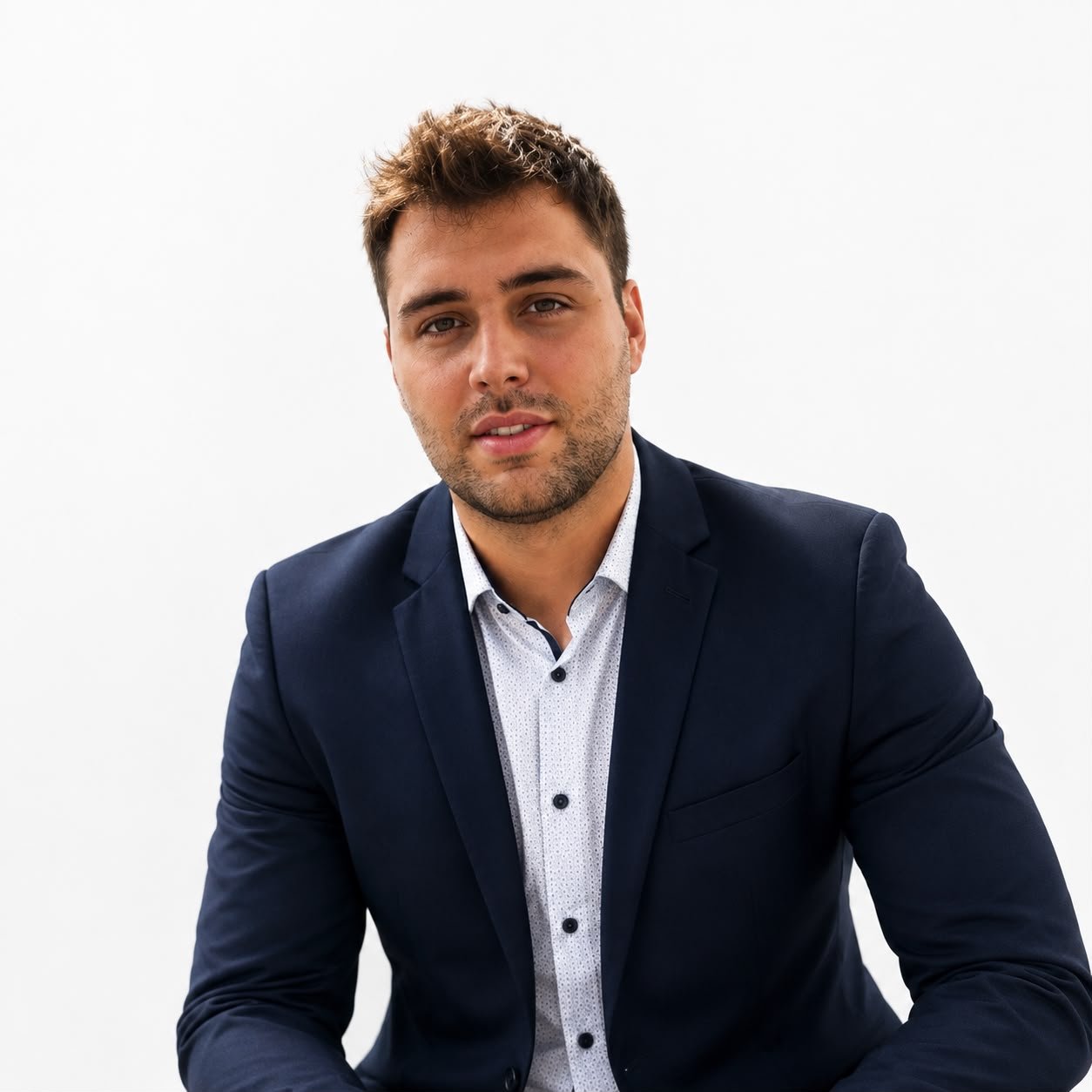
Behind OnCore Longevity sits Medical Exercise Inc., a franchisor led by Matt Degelman. The company’s ambition, he says, is not to open another wellness chain. It is to industrialise longevity medicine: to take what today exists only in boutique clinics, expensive and dependent on large clinical teams, and turn it into a format that is replicable and automated.
This is where the company positions itself as an innovator. Where elite longevity clinics operate bespoke, at high cost, OnCore inverts the logic. It places artificial intelligence at the centre of the operation, lets the equipment read each client’s body and strips the structure back to the essential. What was a concierge service becomes a product. What was the exception becomes the system.
The most interesting consequence of that choice is not technological but commercial. Degelman says the efficiency has driven cost down far enough to allow pricing from $99, which the company puts at under $25 a week. The target audience, therefore, is not the high-net-worth executive the category tends to chase, but the mature consumer, aged 40 and over, on a middle income.
The thesis: high technology, low friction
For the operator, the traditional big-box gym model carries chronic flaws: excess floor space, high maintenance costs, bloated payrolls and elevated churn. OnCore attacks each of these inefficiencies head-on.
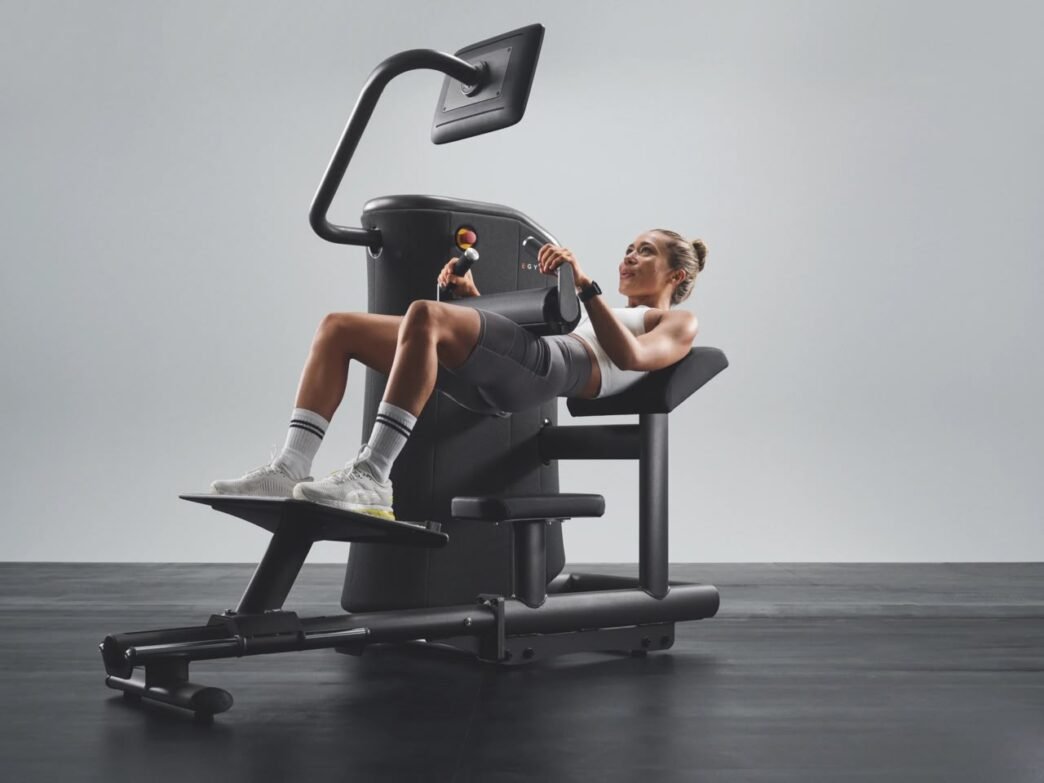
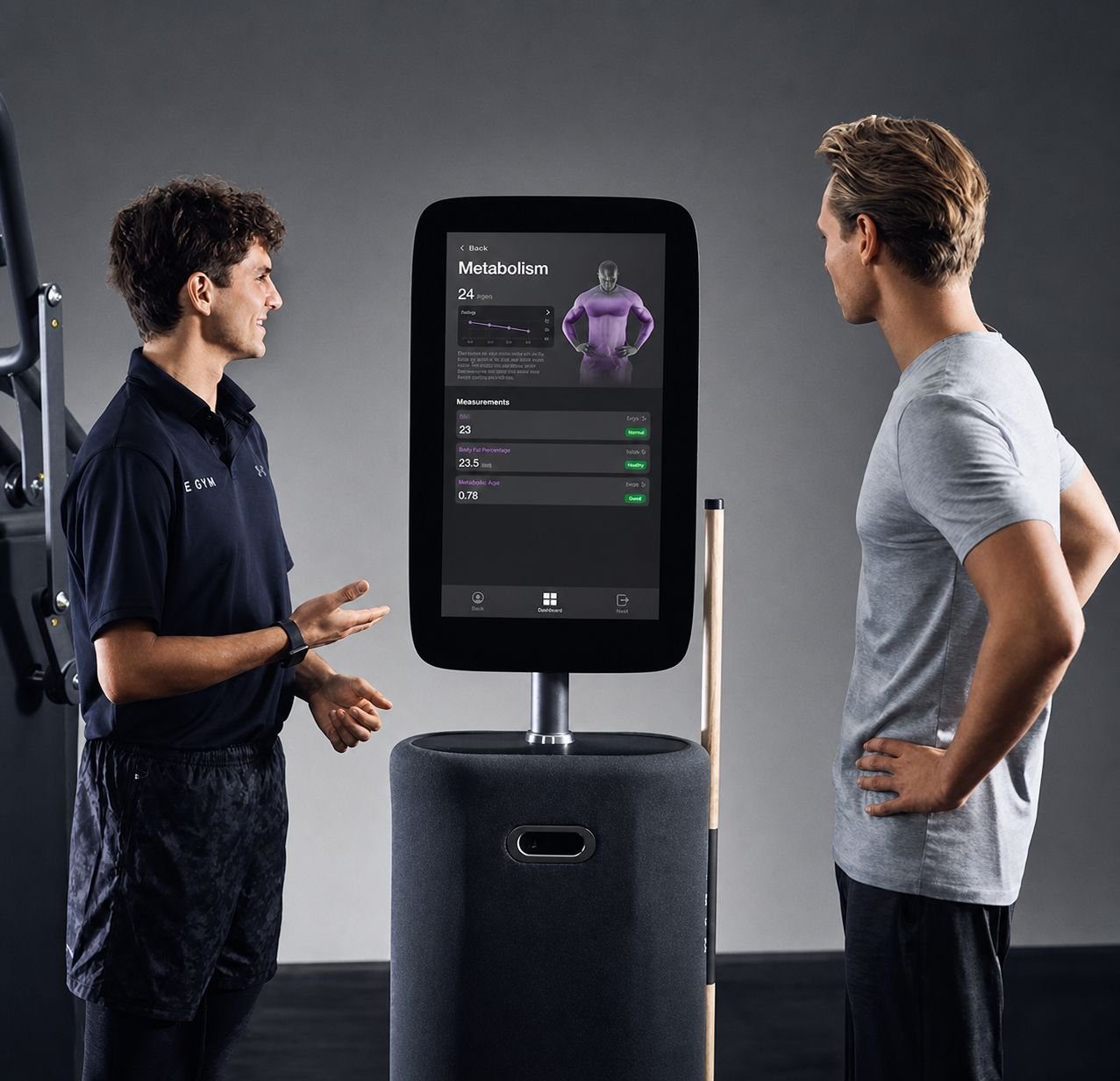
Degelman rejects the gym label. The OnCore Longevity Centers are conceived as clinical, technological installations. The backbone of the operation is the integration with equipment from Germany’s EGYM: machines that automatically adjust resistance, range and cadence based on each user’s biometric profile, guided by artificial intelligence. EGYM, it is worth noting, publicly positions its system around longevity, with biological-age tracking and AI-guided plans.
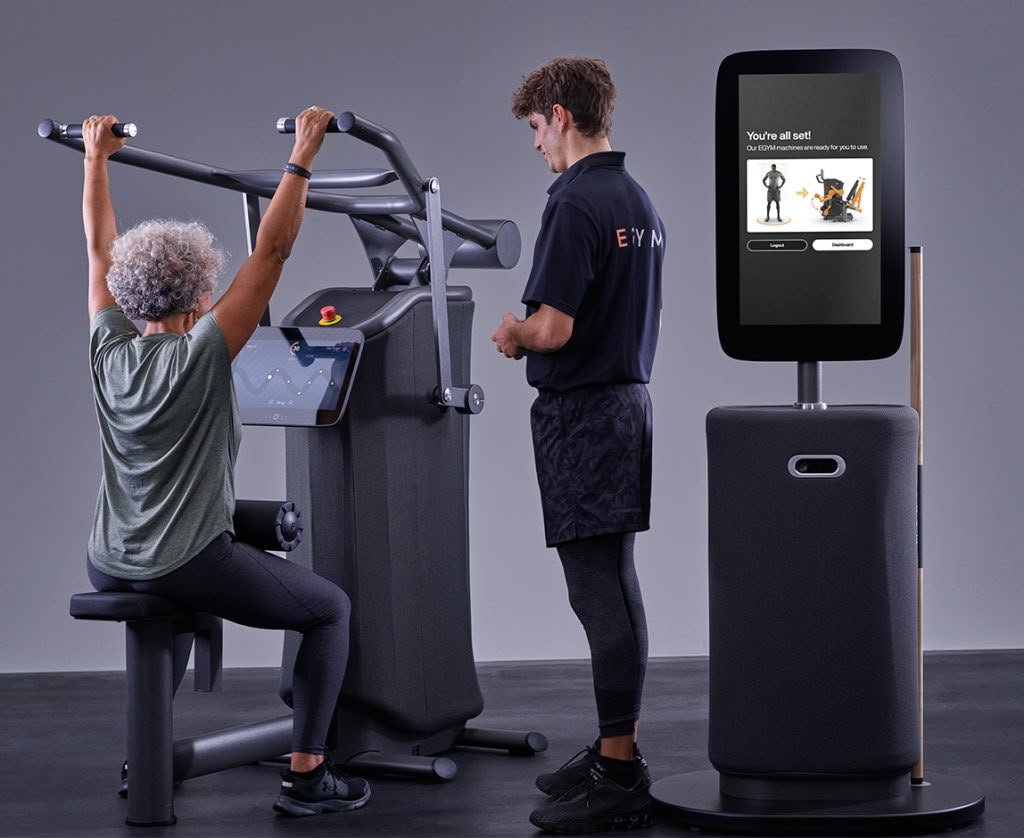
From a business standpoint, this solves two monumental bottlenecks. The first is customer churn. The method calls for only two twenty-minute sessions a week, which dissolves the barrier of a lack of time, the leading reason for cancellation at gyms. The second is payroll cost: according to Degelman, automation allows coaches to deliver what previously required separate teams of personal trainers and nutritionists — a model choice that lowers cost and, in turn, price.
The company’s promise is ambitious. Degelman speaks of preserving muscle mass, what he calls the definitive organ of longevity, maintaining metabolic flexibility and, in his words, reversing cellular ageing. A journalistic caveat is warranted: this is the stated aim of the method, not an independently verified clinical outcome.
The ecosystem: where revenue multiplies
The profitability of a wellness franchise depends on its capacity to generate additional sales. OnCore structures the business to capture value well beyond the membership fee.
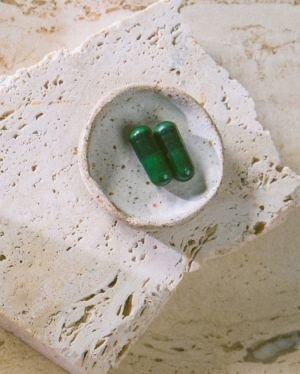
The brand integrates AI-supported nutritional guidance, aligned with a dispensary of clinical-grade supplements and a service delivering meals with precise macros to the client’s home. For the franchisee, the result is a set of recurring revenue lines and an increase in each user’s value over time.
There is a more delicate layer, which the company treats as a differentiator: medical affiliations with telemedicine and online pharmacy services in Canada and the United States, giving clients access to hormone replacement therapy and GLP-1 class medications. The distinction of roles matters, and the company draws it: OnCore refers and integrates; assessment and prescription rest with the licensed physician at the telemedicine partner.
We remove the friction of living a longevity-focused lifestyle.Matt Degelman, president, MEI
The first-mover race
The longevity market is living through a moment of land grab, and OnCore is not running alone.
One need only observe the competition. In July 2026, the Ultimate Longevity Center, driven by Anthony Geisler, the executive who scaled Club Pilates to more than a thousand studios, in partnership with Lifeforce, the platform that counts Tony Robbins among the names behind it, and with biologist Gary Brecka, announced the sale of 200 franchise territories in just four months, before even opening its first unit.
The rival’s success is not a threat: it is validation of the category. But it also exposes the scale of the challenge. OnCore enters territory already contested by an operator with a proven record in franchise scaling, and its differentiation will have to come from where the company itself points: automation, hyper-personalisation and, above all, price.
The franchisee profile the company seeks reflects that choice. Rather than pure investors, OnCore says it targets experienced personal trainers, offering them financial support to move from employee to owner of their own facility.
The test begins in Regina
The execution of the thesis begins in Canada. OnCore’s first flagship unit is scheduled to open, with sales onboarding, on 1 September 2026, in Regina, capital of the province of Saskatchewan. More than a wellness centre, the flagship functions as a laboratory: it is there that the company will discover whether the numbers work, whether the middle-market audience responds to the price, and whether the automated model sustains the promise.
Behind the scenes, the corporate structure points to greater ambitions. Medical Exercise Inc., the franchisor and parent company, says it is working through regulatory processes with the aim of listing its shares on the OTCQB market. As with any company at pre-listing, pre-revenue stage, the path depends on regulatory approvals and on results that do not yet exist: the timeline and the outcome are, by definition, uncertain.
What the model is betting on
There remains the question the category itself has yet to answer. As a sector consultant noted in an earlier report by this magazine, there is a risk of over-commercialising something that is, in essence, very simple: in the so-called Blue Zones, where people live longest, there is no biohacking and no robotics. The lifestyle is the method.
In the end, longevity rests on ancestral principles: movement, nutrition, community. The business of longevity, however, demands packaging, scale and convenience. OnCore’s bet is that technology can deliver the former at the price of a gym membership.
Time remains the only luxury no one manufactures. What is on sale now is the promise of managing it.
OnCore Longevity: oncorelongevity.com
Images: handout / OnCore Longevity. Statements regarding method, results, timeline and regulatory status are those of the company and have not been independently verified. This article is journalistic and informational in nature and does not constitute investment advice, an offer of securities, or medical guidance.
Gabriel Silveirado, for WAYFARER.
Read next: how artificial intelligence is accelerating longevity and the wellness industry’s new longevity race.